Driving Hyper-Philanthropy Through New Technologies
Thursday, September 19, 2019
Experts tell us that the face of philanthropy is changing rapidly. The Giving Institute’s data reveals that
individual giving makes up less than 70% of our $400 billion industry for the first time ever, and
online/mobile giving rates are up almost three times the rate of overall giving. Despite these changes,
though, it’s crucial to remember that the fundamentals of this field remain constant. Giving is about
personal connections, now more than ever in an increasingly impersonal world, and the only thing that
has changed is the medium. With that in mind, The Hodge Group (THG) has trademarked a term, Hyper-Philanthropy, that we believe can define giving in the modern age.
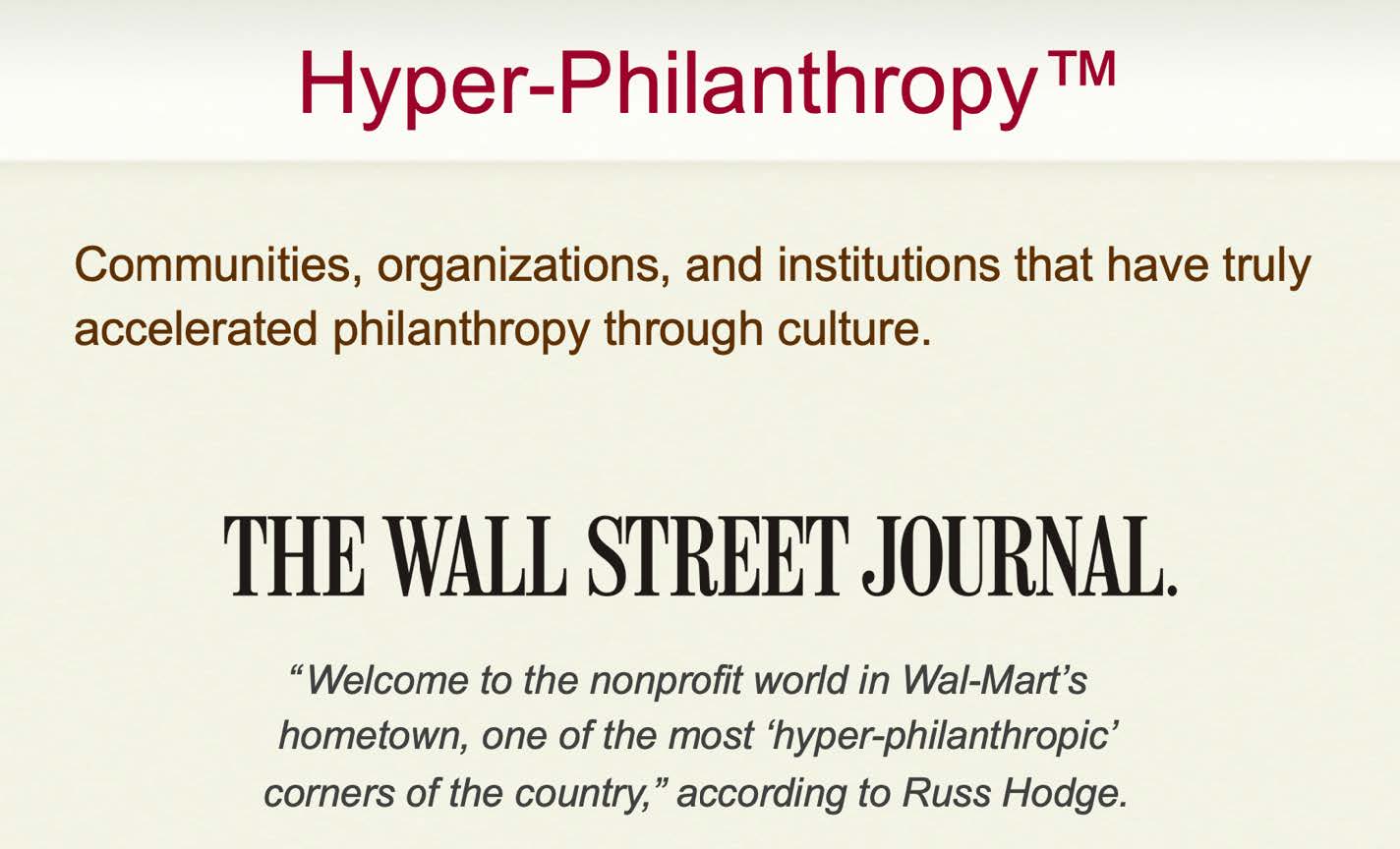
Hyper-philanthropy is about taking advantage of resources within your organization and your community at large to foster an environment where staff, board members, and community leaders all feel passionately about serving the public good through philanthropy.
Northwest Arkansas, for example, is a hyper-philanthropic community in large part thanks to a culture
fostered by Walmart. What actions create a strong culture?
- Empowering community leaders to become brand ambassadors for an organization.
- Socializing a new initiative.
- Streamlining operations in an organization through the use of new technologies, such as
advancements in the field of Artificial Intelligence (AI) and Search Engine Optimization (SEO).
Such elements make it easier for a hyper-philanthropic culture to exist because they create convenience
for a community. Approximately 70% of Americans live online lives today through social media, blogs,
and more, and by meeting these people where they live the promise of becoming a hyper-philanthropic
organization becomes achievable.
Hyper-philanthropy recognizes three seismic shifts in how communities operate:
- A rise in people power (i.e. globalization shown through increased crowdfunding and social
platforms);
- A shift from hierarchies to horizontal decision-making (i.e. the rise of telework and the
popularity of open offices);
- And a fierce increase in competition (nonprofits account for over 10% of all private jobs in
2019).
Far from being scary, these seismic shifts represent outstanding opportunities that can be leveraged to
create that hyper-philanthropic culture we all want to embody.
Hyper-philanthropic cultures emerge through the identification of shared core values, and such values become easy to identify through the use of new technologies.
A large social presence online makes it so that a nonprofit can offer digital and immersive tours of their
facilities and/or programs to donors from anywhere in the world. The fight for philanthropic dollars is
more intense than ever before, but new AI tools allow development offices to have one staffer do the
work of three when it comes to prospect research and identification. By focusing on bolstering your SEO
strategy through a use of blogs, social media, and other platforms, your organization achieves brand
penetration that socializes initiatives. Using new technologies in these ways means more time for
executive directors, Boards, and development teams to do what they do best – forge stronger
relationships.
As American culture evolves, so must our philanthropic culture evolve if we are to meet donors where they live in an increasingly digital world.
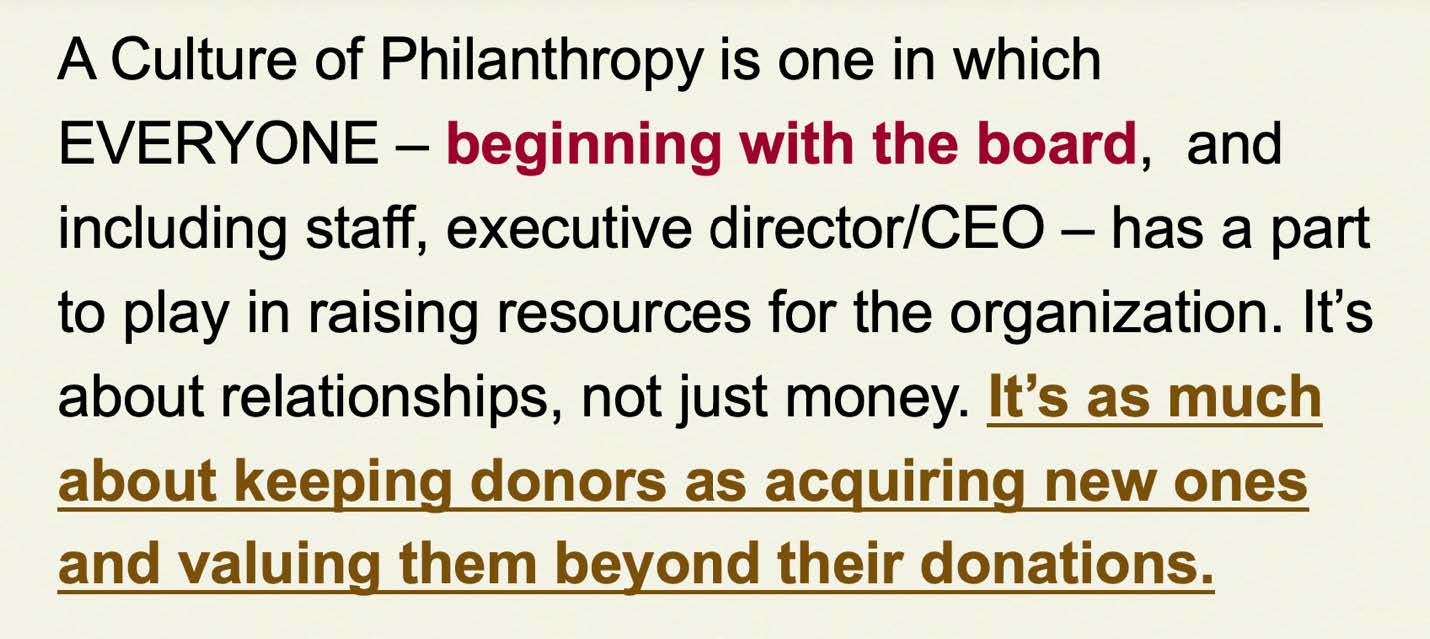
Whether you are conducting a feasibility study or embarking upon a capital campaign, your organization
needs to know how to make the most of scarce resources and how to best engage, excite, and empower
your most promising volunteers. Watch our video on hyper-philanthropy here, and then send us a note
at info@hodge-group.com if you’d like a free consultation to determine how to make your organization
hyper-philanthropic.
|

 Email to a Friend